The Seasonal Health Surge: Why American Wellness Runs on a Calendar Instead of a Commitment
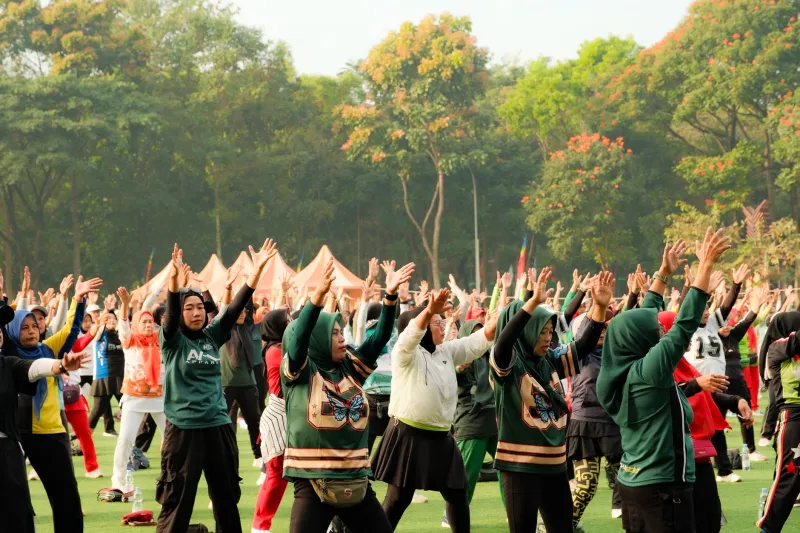
Sometime in the second week of January, the parking lots at fitness centers across the country become genuinely difficult to navigate. Treadmills are occupied by people who have not used them since the previous January. Nutrition apps record their highest new user registrations of the year. Pharmacies stock extra supplies of vitamins and supplements. The nation, briefly and collectively, behaves as though it has decided to take its health seriously.
By mid-February, the parking lots are navigable again.
This rhythm — the surge of health intention followed by rapid regression to prior behavior — is among the most well-documented patterns in American public health. It repeats itself with such regularity, and across such a wide range of health behaviors, that it has become almost invisible through familiarity. But its consequences for preventive health are significant and underappreciated.
A population whose health engagement is driven by seasons and cultural moments rather than by consistent practice is a population that is, in meaningful ways, not actually engaged in prevention at all.
The Architecture of Seasonal Health Anxiety
American health behavior organizes itself around a loose but recognizable calendar. January brings resolution culture, with its emphasis on weight loss, exercise, and dietary change. March and April introduce spring cleaning metaphors that extend to the body: detox programs, cleanses, and preparation for warmer weather. By May, the language shifts explicitly to summer body preparation, a phrase that manages to combine aspiration with anxiety in a way that the wellness industry has found extraordinarily profitable.
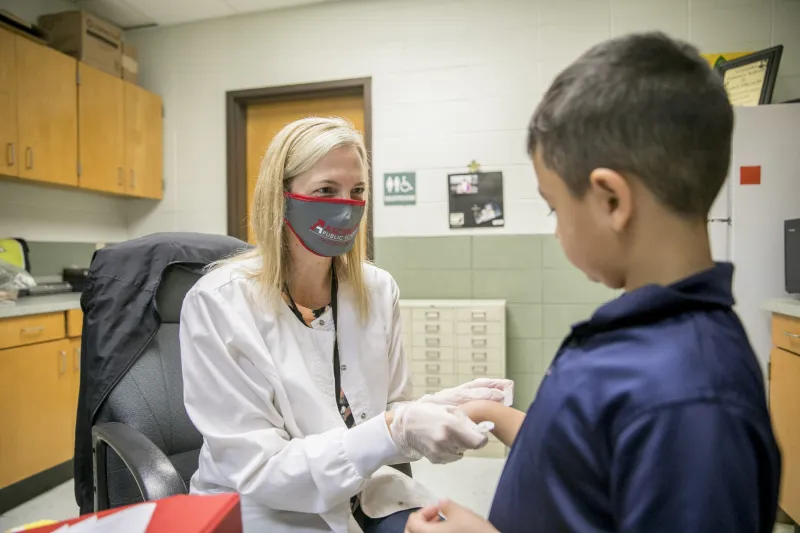
October shifts the register entirely. Flu season transforms health anxiety from aesthetic to epidemiological. Vaccination campaigns ramp up. Hand-washing reminders appear in offices and schools. The threat of illness, rather than the aspiration toward an idealized body, becomes the motivating frame.
December brings a brief spike in health-adjacent behavior — walking, stress management, alcohol moderation — before the cycle resets with January's resolutions.
What is notably absent from this calendar is the kind of quiet, consistent, unglamorous prevention that actually reduces disease burden over time: regular primary care visits, routine cancer screenings, chronic disease management, and the daily behavioral choices that accumulate into long-term health outcomes. These activities do not align with any particular season. They do not generate the cultural momentum that January resolutions or flu season fears produce. And they are, as a result, chronically underutilized.
Why Seasons Work (Briefly) and Why They Fail
The psychology behind seasonal health surges is not mysterious. Behavioral scientists have identified several mechanisms that make culturally defined moments particularly effective at triggering behavior change, even when that change proves temporary.
Temporal landmarks — dates or events that feel like fresh starts — reduce the psychological weight of past failures and create a sense that a new behavioral chapter is beginning. Research by Hengchen Dai, Katherine Milkman, and Jason Riis on what they called the fresh start effect demonstrated that people are measurably more likely to pursue goals immediately following temporal landmarks, including not only January 1st but also birthdays, the start of new weeks, and the beginning of new months.
Fear activation, which drives the flu season spike in health behavior, works through a different mechanism: the salience of threat. When illness feels proximate and real, the cost-benefit calculus of preventive action shifts. A flu shot that felt like a minor inconvenience in August becomes urgently necessary in October when a coworker is visibly symptomatic.
Both mechanisms share a critical limitation: they are temporary. The fresh start effect fades as the new temporal period loses its novelty. Fear activation diminishes as perceived threat recedes. Neither generates the kind of internalized, habitual health behavior that prevention actually requires.
The Wellness Industry's Role
It would be incomplete to discuss seasonal health surges without examining the commercial ecosystem that actively cultivates them.
The fitness industry is structurally dependent on January resolution culture. Gyms sign the majority of their annual memberships in the first six weeks of the year, and their business models are premised on the assumption that most of those members will stop attending within two months. The supplement and diet industry times its heaviest advertising to January and to the pre-summer period. The flu shot market, while less commercially driven, benefits from October's concentrated anxiety in ways that year-round vaccination promotion has never replicated.
These industries do not create seasonal health anxiety from nothing. But they amplify it, monetize it, and, in doing so, reinforce the cultural message that health is something you pursue intensely for a defined period rather than something you practice consistently over a lifetime.
Public health messaging has, in some respects, accommodated itself to this framework rather than challenging it. Flu season campaigns are deliberately timed to October because that is when people are paying attention. Colorectal Cancer Awareness Month, Heart Month, and dozens of other designated awareness periods attempt to harness the same seasonal attention mechanism for public health purposes. The strategy is understandable. Its limitations are real.
What Communities Are Doing Differently
Across the country, a smaller set of communities has begun experimenting with prevention models designed to resist the seasonal surge-and-retreat pattern. Their approaches share a common logic: rather than waiting for culturally defined moments of health concern, they embed prevention into the continuous fabric of community life.
In several rural counties in North Carolina, community health workers maintain year-round relationships with high-risk individuals, conducting regular check-ins that are not tied to any particular health awareness campaign or seasonal moment. The consistency of the relationship, rather than the intensity of any single intervention, appears to be the active ingredient in improving preventive care utilization.
In Chicago's South Side, a network of faith-based organizations has integrated health screenings and chronic disease education into regular congregational activities throughout the year. By anchoring prevention to existing community rhythms rather than imposed external calendars, these programs have achieved more consistent engagement than standalone awareness campaigns.
In rural Montana, a tribal health program has developed a community health curriculum explicitly designed around the concept of year-round practice rather than seasonal intervention. Program participants report health behaviors that are more durable than those generated by resolution culture or fear-based campaigns — not because the program is more sophisticated, but because it makes consistency the central value rather than intensity.
Rethinking the Calendar
The seasonal pattern of American health behavior is not a personal failing. It is a predictable response to the cultural and commercial environment in which people make health decisions. Changing it requires changing that environment — or at least offering a compelling alternative to it.
For public health communicators, this means developing messaging strategies that do not depend on fear or novelty to generate engagement. It means building prevention programs that are embedded in community life rather than deployed episodically. It means finding ways to make consistent, unglamorous health maintenance feel as meaningful as the dramatic gestures of January renewal or October vigilance.
The communities that have made the most progress in this direction share a common insight: prevention is not an event. It is a practice. And practices, unlike events, do not require a season to begin.