Counted Steps, Missed Diagnoses: The Illusion of Health in the Age of Wearable Technology
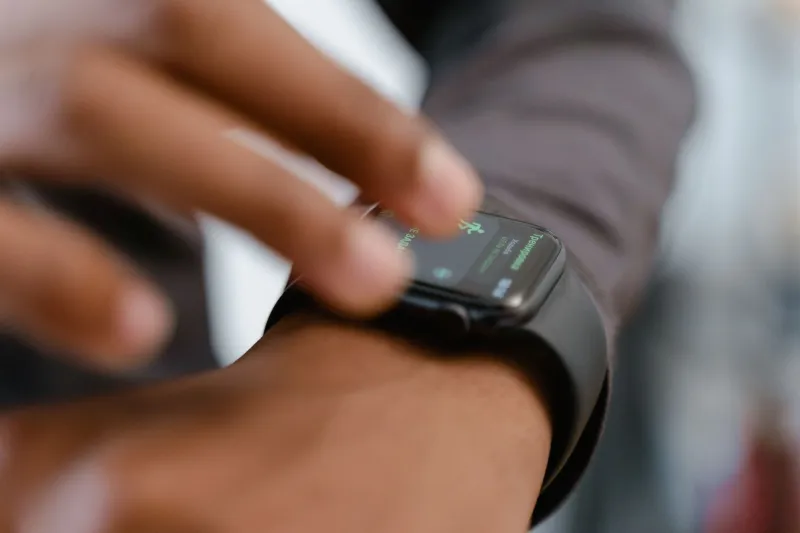
Somewhere in the United States right now, a person is checking their smartwatch to confirm they have closed their "activity ring" for the day. They walked 10,247 steps. Their resting heart rate was 62 beats per minute. Their sleep score was an 81. By every metric their wrist can provide, they are doing well.
What their watch cannot tell them is whether a polyp in their colon is quietly evolving into something far more dangerous. It cannot detect a mammographic abnormality, flag a rising PSA level, or measure the slow accumulation of arterial plaque. Those answers require a physician, a laboratory, and a willingness to engage with a healthcare system that many Americans find intimidating, inconvenient, or simply irrelevant to how they define their own wellness.
This is the central contradiction at the heart of American health culture in the 2020s: a population spending an estimated $36 billion annually on wearable fitness technology while simultaneously allowing rates of routine clinical screenings to stagnate — and in some demographic groups, to decline.
The Comfort of the Quantifiable
Fitness trackers succeed because they offer something that clinical medicine rarely does: immediate, personalized, and emotionally rewarding feedback. Every completed goal triggers a gentle vibration and a congratulatory animation. Progress is visible, continuous, and entirely within the user's control. The experience is, by design, pleasurable.
A colonoscopy offers none of these qualities. The preparation is unpleasant. The procedure requires sedation and a full day's absence from work. The results may arrive days later, delivered in clinical language, and they carry the possibility of unwelcome news. There is no congratulatory animation for completing a bowel prep.
Behavioral health researchers refer to the underlying dynamic as "present bias" — the well-documented human tendency to place disproportionate value on immediate rewards over future benefits. Fitness technology exploits this bias masterfully. Preventive screenings, by contrast, ask individuals to accept short-term discomfort and anxiety in exchange for a long-term benefit they may never consciously experience, because the disease they avoided will never announce itself.
Monitoring Is Not the Same as Prevention
The conflation of health monitoring with genuine disease prevention is not merely a semantic problem. It carries measurable public health consequences.
Colorectal cancer remains the second leading cause of cancer death in the United States, despite the fact that colonoscopy can detect and remove precancerous polyps before malignancy develops. The American Cancer Society estimates that only about 68 percent of adults within the recommended screening age range are up to date on colorectal cancer testing — a figure that masks significantly lower rates among uninsured populations, rural communities, and younger adults now entering the eligible age window.
Breast cancer screening rates tell a similarly incomplete story. Cervical cancer screening via Pap smear and HPV testing has declined among women in their twenties and thirties — precisely the cohort most likely to own a wearable device and engage with digital wellness platforms.
The irony is not lost on public health professionals. "We have people who can tell you their VO2 max estimate from a consumer app but haven't had a fasting glucose test in five years," noted one preventive medicine specialist in a recent clinical commentary. "The technology has created a very convincing simulation of health vigilance."
Why Technology Feels Like Enough
The psychological mechanism at work is sometimes called the "licensing effect" — a phenomenon in which engagement with one health-positive behavior reduces the perceived need to pursue another. A person who logs eight hours of sleep and hits their daily step goal may unconsciously feel that their health obligations have been fulfilled. The screening reminder from their physician's office, arriving by automated text message, is easy to dismiss.
Fitness technology companies have been careful to position their products as complements to clinical care rather than substitutes. In practice, however, the marketing language surrounding these devices leans heavily on transformation narratives — the idea that the wearer is actively managing and improving their health in a meaningful, comprehensive way. For a significant portion of users, that framing sticks.
There is also the matter of what these devices do not measure. No consumer wearable currently on the market can assess colorectal health, screen for early-stage breast or cervical abnormalities, evaluate kidney function, or detect the kind of slow-moving metabolic changes that precede type 2 diabetes by a decade. The data these devices generate is real, but its clinical relevance is narrow. A 10,000-step day does not reduce the mortality risk associated with an undetected Stage I tumor.
The Prevention Gap in Practice
The communities bearing the heaviest burden of this gap are, predictably, those with the least structural support for clinical engagement. Rural Americans face provider shortages and transportation barriers that make scheduling a colonoscopy genuinely difficult. Uninsured and underinsured adults weigh the cost of a screening against competing financial obligations, even when subsidized options exist. Working adults in hourly employment cannot easily absorb the lost wages associated with a procedure requiring sedation and a recovery day.
For these populations, the fitness tracker is often not part of the equation at all. The prevention gap they face is not about psychological substitution — it is about access, economics, and a healthcare infrastructure that has not adequately prioritized reaching them. The wearable technology story is, in many respects, a story about the health behaviors of a particular socioeconomic stratum: educated, insured, and digitally engaged adults who have the means to prevent disease but are choosing a more comfortable proxy for doing so.
Public health advocates argue that addressing both populations requires fundamentally different strategies. For device-engaged consumers, the intervention may be as straightforward as integrating clinical screening reminders directly into the platforms they already trust. Several major technology companies have explored partnerships with health systems to push screening notifications through their apps — an approach with early evidence of modest effectiveness.
For underserved communities, the solutions are structural: mobile screening units, extended clinic hours, community health worker outreach, and the continued expansion of coverage for preventive services under federal insurance mandates.
Recalibrating What Prevention Means
The fitness tracker is not the enemy of prevention. Physical activity is genuinely protective against a range of chronic conditions, and any technology that sustainably increases movement has public health value. The problem is not the device. The problem is the cultural narrative that has grown up around it — one that frames continuous self-monitoring as a sufficient expression of health responsibility.
Prevention, in the clinical sense, is not a performance. It does not generate data streams or gamified rewards. It is a quiet, intermittent, and sometimes uncomfortable engagement with the healthcare system — one that catches disease before it speaks for itself. A colonoscopy completed at age 45 will never feel as satisfying as closing an activity ring, but it may well be the intervention that determines whether that person sees 65.
The Prevention Project believes that genuine community health requires closing the distance between the health behaviors Americans find rewarding and the ones that actually save lives. That work begins with an honest accounting of what our devices can and cannot do — and a renewed commitment to the unglamorous, evidence-based screenings that no smartwatch will ever replace.