Wellness as Status Symbol: How America Learned to Pay for the Wrong Kind of Health
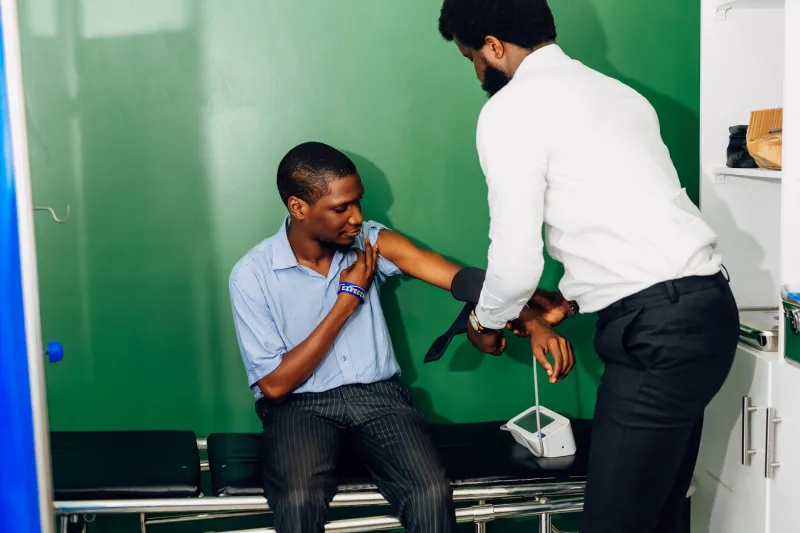
Somewhere between a $180-per-month cycling studio membership and a free blood pressure cuff sitting unused at the back of a neighborhood pharmacy, a profound contradiction in American health culture has taken root. The United States spends more than $4.5 trillion annually on healthcare, yet the simplest, most cost-effective tools for preventing its most common killers — hypertension, type 2 diabetes, colorectal cancer — remain dramatically underutilized. Americans are not ignoring their health. In many respects, they are obsessively attentive to it. The question worth asking is: which version of health are they actually pursuing?
The Wellness Economy vs. Preventive Medicine
The global wellness industry is now valued at over $5.6 trillion, with the United States representing its single largest market. Americans spend lavishly on gym memberships, fitness trackers, cold-pressed juices, infrared saunas, and personalized nutrition apps — expenditures that signal health engagement without necessarily producing the clinical outcomes that matter most. Meanwhile, the Centers for Disease Control and Prevention estimates that nearly half of American adults have hypertension, yet only about one in four have it under control. Free or low-cost blood pressure screenings are available at virtually every pharmacy chain, community health center, and primary care office in the country. Participation rates remain stubbornly low.
This is not a story about access alone. It is a story about perception, identity, and the way American culture has fundamentally reframed what it means to be healthy.
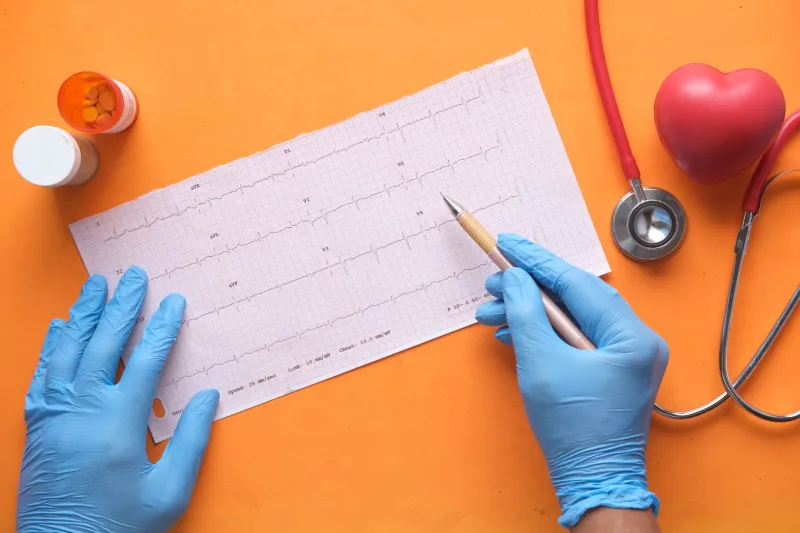
Wellness, as it has been commercially constructed in the United States, is aspirational and visible. It is the Peloton in the living room, the athleisure wardrobe, the morning smoothie photographed for social media. Preventive medicine, by contrast, is quiet, clinical, and unglamorous. A blood pressure check produces a number, not a narrative. A colorectal cancer screening is deeply unsexy. There is no influencer building a brand around their annual lipid panel. And yet these interventions — not the spin classes — are the ones with the strongest evidence base for extending healthy life expectancy.
Psychology of Avoidance and the Illusion of Effort
Behavioral economists have long documented a phenomenon known as effort justification: the tendency to assign greater value to outcomes that required visible exertion to achieve. When a person endures a grueling workout class, pays a premium fee, and experiences physical discomfort, the brain registers meaningful health investment. The effort feels proportionate to the benefit. A blood pressure screening, by contrast, requires almost no effort at all — and in the calculus of human psychology, something that costs nothing and takes two minutes can paradoxically feel like it is worth nothing.
There is also the dimension of temporal discounting, the well-documented tendency to undervalue future benefits relative to present ones. A fitness class delivers immediate feedback: elevated heart rate, endorphins, a sense of accomplishment. A blood pressure reading that flags early-stage hypertension delivers a different kind of feedback — one that demands follow-up, lifestyle adjustment, possibly medication. For many Americans, the absence of symptoms functions as a proxy for health. If nothing hurts, nothing is wrong. Preventive screenings challenge that assumption, and the challenge itself becomes a source of avoidance.
Dr. Keshia Pollack Porter, a public health researcher at Johns Hopkins Bloomberg School of Public Health, has described this dynamic as a form of motivated reasoning: people construct health behaviors that affirm what they already want to believe about their bodies, rather than seeking the information that might complicate that belief.
How the Market Captured Prevention's Language
Part of what makes this paradox so durable is that the wellness industry has systematically colonized the vocabulary of prevention. Products and services marketed as "immune-boosting," "detoxifying," or "heart-healthy" borrow the legitimacy of medical language while delivering, at best, marginal clinical benefit. This linguistic overlap creates genuine confusion among consumers who may sincerely believe that their supplement regimen constitutes preventive healthcare.
The fitness industry has been particularly effective at positioning exercise — which does carry real cardiovascular benefits — as a comprehensive substitute for clinical screening. Exercise matters enormously for long-term health. But a person who runs five miles a day and has never had their blood glucose checked is not practicing prevention in any complete sense. Hypertension does not discriminate based on fitness level. Familial hypercholesterolemia affects athletes and sedentary individuals alike. The conflation of physical fitness with comprehensive health risk management is not merely a marketing sleight of hand — it has measurable consequences.
Americans who identify as health-conscious may actually be among the most susceptible to this substitution effect. Research published in the American Journal of Preventive Medicine has found that individuals who engage regularly in fitness activities sometimes demonstrate lower rates of clinical screening, in part because their self-assessed health status leads them to perceive such screenings as unnecessary.
Structural Realities That Reinforce the Imbalance
Cultural psychology alone does not explain the prevention paradox. Structural factors play an equally significant role. The United States healthcare system has historically been organized around treatment rather than prevention, and its incentive architecture reflects that orientation. Physicians are reimbursed at higher rates for procedural interventions than for counseling conversations about screening. Preventive services, while covered under the Affordable Care Act with no cost-sharing for most plans, are frequently not communicated to patients in ways that motivate action. A person who receives a form listing covered preventive benefits in the mail is not the same as a person who has been personally counseled by a trusted provider about which screenings are most relevant to their risk profile.
Geographic and logistical barriers compound the problem. Community health fairs offering free screenings are often held during weekday hours inaccessible to working adults. Pharmacy-based screenings, while convenient, lack the relational context of a primary care visit that might prompt a patient to take an abnormal reading seriously. The infrastructure for prevention exists, but it has not been designed with the behavioral realities of the populations it is meant to serve.
Reframing Prevention as a Non-Negotiable
Public health advocates and community health organizations across the country are beginning to experiment with approaches that meet people where their values already are, rather than asking them to adopt new ones. Some community health programs have embedded screening opportunities inside fitness centers and wellness studios, recognizing that Americans who are already motivated to invest in their physical health represent a high-opportunity population for preventive outreach. Others have worked with employers to integrate clinical screenings into corporate wellness programs that employees already participate in voluntarily.
Communication strategies are also evolving. Framing blood pressure checks and lipid panels not as medical obligations but as performance metrics — data points that inform and optimize the fitness activities people already value — has shown early promise in increasing uptake among younger adults who might otherwise dismiss routine screenings as irrelevant to their lives.
The deeper work, however, requires confronting the cultural architecture that has allowed wellness to masquerade as prevention for so long. As long as health is primarily understood as something performed and displayed rather than monitored and protected, the paradox will persist. Americans will continue spending thousands on the aesthetics of well-being while the silent conditions most likely to shorten their lives go undetected and unaddressed.
Prevention is not a luxury. It is not a lifestyle brand. It is the most evidence-grounded, cost-effective investment any individual — or any community — can make in long-term health. The first step toward reclaiming that definition may simply be learning to recognize when something valuable has been sold back to us at a premium, repackaged as something it was never meant to be.