Wellness Sold, Prevention Starved: How a Booming Industry Is Leaving Public Health Behind
The Billion-Dollar Illusion of Prevention
In any major American city, the language of prevention is everywhere. It appears on the packaging of adaptogenic supplements in upscale grocery stores, in the promotional copy of subscription fitness applications, in the branded towels of luxury spa retreats that offer "detoxification" and "cellular renewal" at rates that rival a week's worth of groceries for a working-class family.
The American wellness industry, valued at approximately $480 billion according to the Global Wellness Institute, has performed a remarkable feat of cultural appropriation. It has taken the concept of prevention—a cornerstone of public health practice rooted in epidemiology, community medicine, and decades of clinical research—and repackaged it as a consumer identity available to those with sufficient disposable income and the right aesthetic sensibilities.
Meanwhile, the evidence-based prevention programs that public health departments, community health centers, and nonprofit organizations have spent generations developing and refining struggle for consistent funding, political support, and public attention. The result is a paradox at the heart of American health: prevention has never been more commercially successful, and it has rarely been more structurally neglected.
What the Market Calls Prevention
To understand the scale of this misalignment, it is worth examining what the wellness industry actually sells under the banner of prevention.
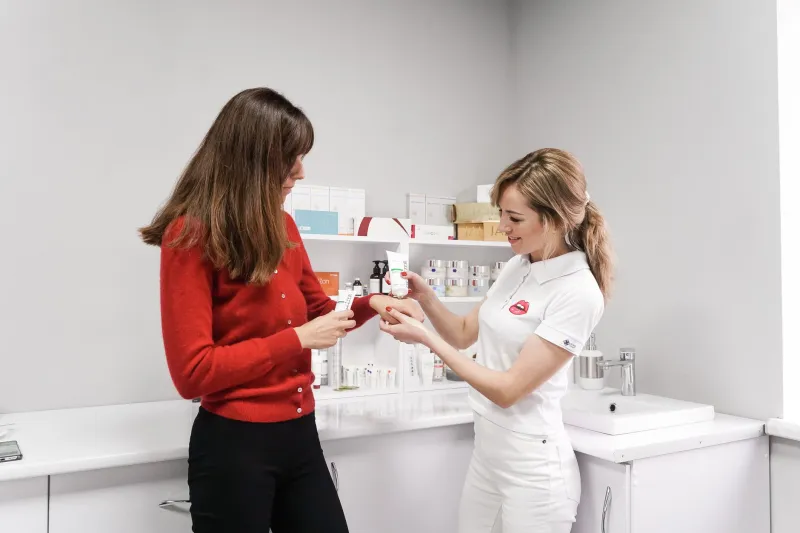
Fitness applications—some of which carry annual subscription fees exceeding $200—market themselves as tools for disease prevention, citing research on the relationship between physical activity and cardiovascular health. Supplement companies promote products for "immune support," "cognitive longevity," and "metabolic optimization," categories that exist in a regulatory gray zone largely untouched by the Food and Drug Administration's drug approval standards. Luxury wellness retreats offer multi-day programs combining nutrition counseling, mindfulness practice, and infrared sauna sessions, promising participants a reset that will extend their healthy years.
Some of these offerings carry genuine benefit. Regular exercise, stress reduction, and nutritional awareness are legitimately connected to improved health outcomes. The problem is not that these products exist—it is what their dominance of the prevention conversation displaces.
When prevention is primarily visible as a premium consumer product, it becomes associated with affluence, aspiration, and individual choice rather than with the structural, community-level interventions that public health evidence consistently identifies as most effective. Vaccination programs, cancer screening initiatives, hypertension management in underserved communities, and maternal health outreach do not have marketing budgets. They do not have brand ambassadors or aesthetically curated social media presences. They do not generate the kind of consumer enthusiasm that drives venture capital investment.
The Funding Gap No One Talks About
The financial disparity between commercial wellness and public health prevention is not a natural market outcome. It is, in significant part, a policy choice.
The United States allocates less than four percent of its total healthcare expenditure to public health and prevention programs, according to the Trust for America's Health. This figure has remained stubbornly low for decades, subject to periodic surges during acute crises—the COVID-19 pandemic being the most recent example—followed by rapid contraction when the immediate emergency recedes. The infrastructure that supports routine vaccination, chronic disease screening, and community health education is chronically underfunded relative to both the scale of the diseases it addresses and the cost of treating those diseases once they advance.
Contrast this with the capital flowing into commercial wellness. Venture investment in digital health and wellness applications reached tens of billions of dollars in recent years, with significant portions directed toward products targeting affluent, already-healthy consumers rather than the populations bearing the greatest burden of preventable disease.
This is not a coincidence. It reflects a structural reality: preventive care for high-income consumers is profitable. Preventive care for low-income communities—the populations where investment would yield the greatest reduction in disease burden—depends on public funding that is politically difficult to sustain and institutionally difficult to scale.
Who Prevention Is Actually For
The consequences of this misallocation are distributed with painful predictability along the lines of race, income, and geography.
Black and Hispanic Americans, who face disproportionate rates of hypertension, diabetes, and certain cancers, are also the populations least likely to be reached by commercially marketed wellness products and most dependent on publicly funded prevention programs. Rural Americans, who face significant barriers to accessing specialist care, rely heavily on community health centers and federally funded screening programs that remain perpetually vulnerable to budget cycles.
When public health prevention is underfunded, it is not affluent consumers who absorb the consequences. They continue purchasing their subscriptions and their supplements. It is the communities already navigating the greatest structural disadvantages who lose access to the screenings, the vaccinations, and the health education that could have changed the trajectory of their health before a crisis required emergency intervention.
The Marketing Machine That Public Health Can't Match
There is an uncomfortable truth embedded in this analysis: public health prevention has a marketing problem that no amount of epidemiological evidence will automatically solve.
Commercial wellness brands have invested heavily in the emotional and aspirational dimensions of health—the sense of identity, community, and self-actualization that their products promise. Evidence-based prevention, by contrast, tends to communicate in the register of risk reduction and statistical probability. These are not messages that travel well in a media environment optimized for engagement and aspiration.
This does not mean that public health communicators should abandon evidence for spectacle. It means that prevention advocates must become more sophisticated about narrative, more attentive to the emotional dimensions of health motivation, and more willing to compete for cultural visibility in spaces currently dominated by commercial wellness.
Some public health organizations have begun this work, developing community-based prevention programs that emphasize social connection, cultural identity, and collective well-being rather than individual risk management. These approaches show genuine promise. But they require sustained investment and institutional commitment that the current funding environment rarely provides.
Prevention for Everyone, Not Just the Affluent
The Prevention Project has long held that genuine prevention is not a luxury product. It is a public good—one that requires public investment, public infrastructure, and public accountability to deliver equitably.
The wellness industry's commercial success is not, in itself, the problem. The problem is the assumption, implicit in current policy and funding priorities, that the market's version of prevention is sufficient—that the gap between what wellness companies sell and what public health delivers does not matter, or does not matter enough to fund.
It matters enormously. And the communities bearing the cost of that assumption deserve better than the market has offered them.