The Counter That Closed: What a Vanishing Pharmacy Takes From a Town

Photo: Dietmar Rabich, CC BY-SA 4.0, via Wikimedia Commons
The pharmacy on Main Street did more than fill prescriptions. It vaccinated older residents before flu season, checked blood pressure for regulars who never scheduled a physician visit, and noticed when a customer's refill rhythm changed in ways that suggested trouble. When the store closed, none of that work appeared in the announcement.
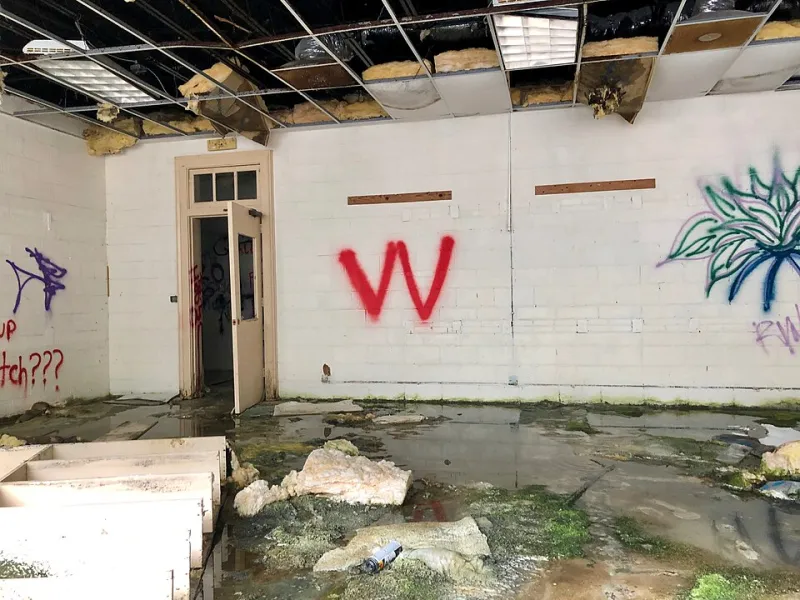
That omission is the crux of a problem that has accelerated across the United States since 2023, when a major chain's bankruptcy and the store closures that followed removed hundreds of locations from the map in a matter of months. Each closure tends to be reported as retail news — a store count, a square-footage figure, a line in an earnings call. It is rarely reported as what it actually is: the withdrawal of front-line prevention services from communities that often have few alternatives.
The Geography of a Closing Counter
Pharmacy access in America is uneven in ways national averages conceal. Commonly cited estimates hold that roughly nine in ten Americans live within five miles of a pharmacy, a figure that sounds reassuring until it is mapped. In dense metropolitan counties, a closure means a longer walk or a different bus route. In rural counties — and in low-income urban neighborhoods where chain stores have thinned out — it can mean an hour-long round trip, a day off work, or no pharmacy at all.
Researchers have documented what they call pharmacy deserts: census tracts where residents must travel well beyond a mile to reach a full-service pharmacy, and where the burden falls disproportionately on Black, Latino, and low-income households. Those maps have expanded, not contracted, over the past several years.
What a Counter Actually Provides
The prevention value of a pharmacy is easy to overlook because it is dispersed across small transactions.
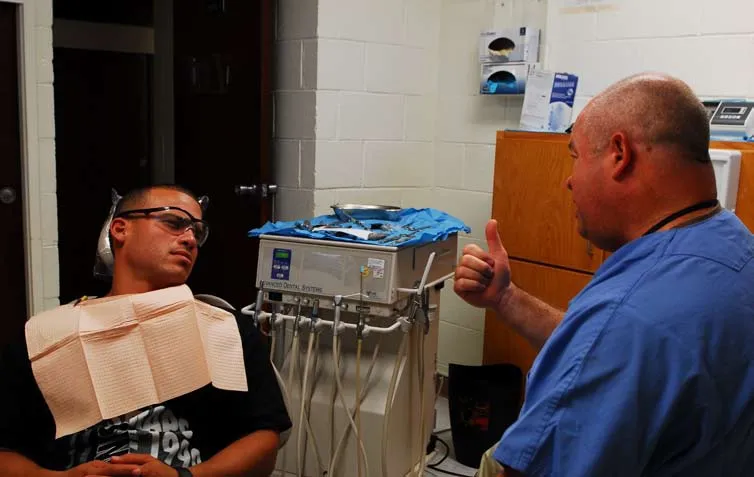
Immunization. Pharmacies have become the single largest setting for adult vaccination in the United States. Influenza, shingles, pneumococcal, and COVID-19 doses are routinely delivered at the counter, frequently to adults who see no other clinician during the year.
Screening. Blood pressure cuffs and, increasingly, point-of-care testing for blood sugar and cholesterol turn a quick errand into a referral opportunity. For people with undiagnosed hypertension — a category that includes millions of Americans — the pharmacy counter is often the first place the number gets written down.
Medication counseling and adherence. A pharmacist who knows a patient's regimen can catch duplication, interactions, and cost-driven nonadherence. That is prevention in its least glamorous form, and among its most effective.
Harm reduction and chronic disease support. Naloxone distribution, smoking cessation counseling, safe medication disposal, and diabetes supply management all flow through pharmacy counters in states that permit them to.
The Immunization Arithmetic
When a pharmacy closes, vaccination does not simply redistribute to nearby clinics. Health departments and community health centers absorb some of the demand, but capacity is finite and appointments are a barrier — particularly for shift workers and older adults without reliable transportation. Counties that lose their only pharmacy often record a visible dip in adult immunization, and the effect compounds in places where the next-nearest option is a grocery counter with limited hours and no pharmacist on site every day.
Why the Market Alone Will Not Rebuild the Network
Dispensing margins have narrowed for independent pharmacies for years, squeezed by reimbursement formulas negotiated by pharmacy benefit managers, rising operating costs, and a shift of profitable front-of-store sales to online retail. The result is a network shaped less by community need than by transaction volume. A store serving a high-volume suburban market and a store serving an isolated rural county can face the same reimbursement schedule while operating under wildly different economics.
That mismatch is why closure announcements tend to cluster in exactly the places where prevention is already weakest. Markets do not price the avoided hospitalization that follows a shingles vaccination, and they do not send an invoice to the state Medicaid program when a pharmacist catches an interaction.
What States and Local Systems Are Trying
Several approaches have gained traction, none of them a complete fix.
- Reimbursement reform. State Medicaid programs and insurers that raise dispensing fees for low-volume rural pharmacies buy stability, though the effect depends on whether the increase reflects actual costs.
- Scope and payment expansion. States that authorize pharmacists to prescribe for routine conditions or bill for medication therapy management give the counter a sustainable revenue line rather than a courtesy service.
- Closure notification requirements. Requiring advance notice before a pharmacy closes gives local health departments time to arrange alternatives, an approach borrowed from hospital closure law.
- Partnerships with federally qualified health centers and rural clinics. Co-locating a pharmacy window inside an existing clinic converts a fixed cost into a shared one.
- Mobile and pop-up dispensing. Useful for gap-filling, less so as a substitute for a permanent counter with a known pharmacist.
Reframing the Counter
The most consequential change may be conceptual. Elected officials and health systems routinely treat a pharmacy as commercial real estate with a health-adjacent side business. Until the closure of a drugstore is treated with the same seriousness as the closure of a clinic — with the same questions about access, equity, and continuity of care — the country will keep losing prevention capacity through a door nobody is watching.
A town can survive without a place to buy shampoo. It struggles without a place to get a blood pressure reading.