America's Quiet Epidemic: The Alarming Decline in Preventive Health Screenings
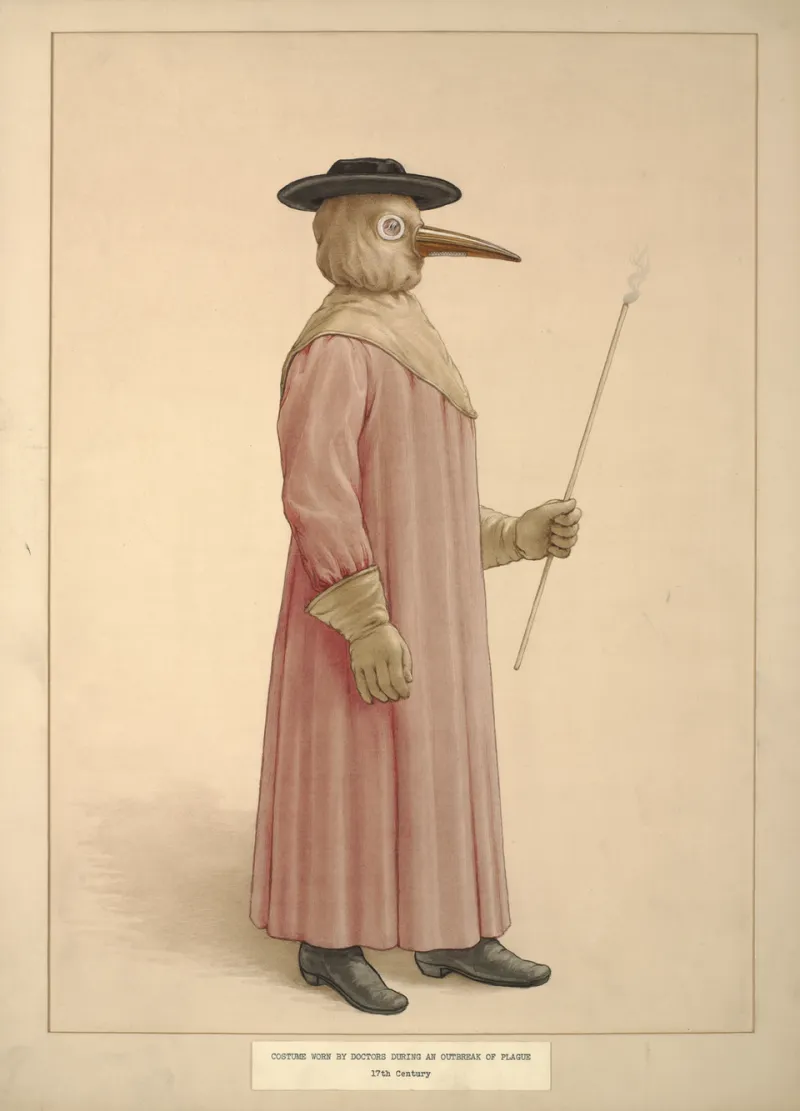
Photo: Unknown, Public domain, via Wikimedia Commons
A Crisis Hiding in Plain Sight
Every year, tens of thousands of Americans receive a cancer diagnosis that could have been caught earlier. Thousands more learn they have advanced diabetes, heart disease, or hypertension only after experiencing a medical emergency. In many of these cases, a routine screening—a colonoscopy, a mammogram, a fasting blood glucose test—might have changed everything. Yet across the United States, preventive screening rates have been declining at a pace that public health officials are calling deeply troubling.
According to data from the Centers for Disease Control and Prevention, participation in core preventive screenings dropped significantly during the COVID-19 pandemic and, critically, has never fully recovered. Colorectal cancer screenings, cervical cancer Pap smears, and lipid panel checks are among the tests that millions of Americans are now skipping, delaying, or simply never scheduling. The Prevention Project spoke with primary care physicians, public health researchers, and community advocates across the country to understand what is driving this trend—and what it will cost us if we fail to reverse it.
The Cost Barrier: When Prevention Becomes a Luxury
For many Americans, the decision to skip a screening is not born of indifference—it is born of economic necessity. Despite provisions under the Affordable Care Act that require most insurance plans to cover preventive services at no cost, the reality on the ground is considerably more complicated.
"Patients frequently come to me after avoiding a colonoscopy for years because they assumed it would cost them thousands of dollars out of pocket," says Dr. Miriam Okafor, a primary care physician practicing in Memphis, Tennessee. "Even when I explain that their insurance should cover it, many of them have had past experiences with surprise billing that make them deeply skeptical. That fear is rational, even if the information is outdated."
For the nearly 26 million Americans who remain uninsured, cost is not a perception—it is an absolute barrier. Community health centers and federally qualified health programs offer sliding-scale services, but awareness of these resources remains limited, particularly in rural areas where such facilities may be hours away.
Beyond the direct cost of the screening itself, indirect costs compound the problem. Taking time off work for an appointment, arranging childcare, and covering transportation are financial burdens that fall disproportionately on hourly wage earners and low-income families. When survival competes with prevention, prevention frequently loses.
The Trust Deficit: Why Distrust Is a Public Health Emergency
Financial barriers alone do not explain the full scope of the screening decline. Across communities of color—particularly Black and Indigenous communities—a profound and historically justified distrust of the medical establishment continues to suppress engagement with preventive care.
The legacy of the Tuskegee Syphilis Study, forced sterilizations, and persistent racial disparities in pain management and diagnostic accuracy have left deep wounds. Research published in the American Journal of Public Health has consistently demonstrated that Black Americans are less likely to receive timely cancer screenings and more likely to present with advanced-stage diagnoses when they do seek care.
"We cannot separate the screening gap from the trust gap," says Dr. Calvin Reyes, a public health professor at Howard University. "When patients have experienced discrimination, dismissiveness, or outright harm within the healthcare system, recommending a screening without acknowledging that history is not enough. We have to rebuild relationships, and that takes time, community presence, and genuine accountability."
This distrust is not limited to communities of color. Rural white communities in Appalachia and the Midwest also report significant skepticism toward mainstream healthcare institutions, driven by experiences of economic abandonment, opioid crisis mismanagement, and the closure of local hospitals. The mechanisms differ, but the outcome—avoidance of preventive care—is strikingly similar.
Health Literacy and the Information Gap
Even among Americans who have insurance, trust in their providers, and access to transportation, a significant proportion still do not pursue recommended screenings. In many of these cases, the missing ingredient is health literacy.
The National Assessment of Adult Literacy estimates that approximately 36 percent of American adults have basic or below-basic health literacy. This means that a substantial portion of the population struggles to interpret medical instructions, understand when and why specific screenings are recommended, or navigate the process of scheduling specialist appointments.
"I've had patients who didn't know what a colonoscopy was until they were in their sixties," says registered nurse and community health educator Tanisha Bowers, who works in Chicago's South Side. "Nobody had ever explained to them what it was for, why it mattered, or how to get one. The healthcare system assumed they knew, and they didn't."
Health literacy is not simply a matter of education level. It is shaped by language barriers, cultural context, and the quality of communication between providers and patients. When medical information is delivered in dense clinical language or assumes prior knowledge, patients are left behind—and they are less likely to follow through on care recommendations they do not fully understand.
The Downstream Consequences: Emergency Rooms as the New Frontline
The consequences of deferred prevention are not abstract. They manifest in emergency departments, intensive care units, and oncology wards across the country. Physicians describe a troubling pattern: patients arriving with conditions that, had they been detected earlier, would have been far more manageable.
"Advanced-stage colon cancer is not the same disease as early-stage colon cancer," says Dr. Okafor. "The treatment is more aggressive, the prognosis is worse, and the cost to the healthcare system is exponentially higher. When we skip the colonoscopy at fifty, we are not saving money—we are deferring a much larger bill."
The American Cancer Society estimates that if colorectal cancer screening rates met recommended targets, more than 30,000 deaths could be prevented annually in the United States. Similar projections exist for cervical cancer, breast cancer, and cardiovascular disease. The mathematics of prevention are unambiguous: early detection saves lives and reduces costs. Yet the system continues to underinvest in the structural changes needed to make screening accessible to all Americans.
Rebuilding the Prevention Infrastructure
Public health advocates are not waiting for a top-down federal solution. Across the country, community health workers, faith-based organizations, and local clinics are developing innovative outreach models designed to meet people where they are—literally and figuratively.
Mobile screening units are bringing mammograms and blood pressure checks to rural counties. Federally Qualified Health Centers are training community health workers who share the cultural backgrounds of the patients they serve. Patient navigation programs are guiding individuals through the labyrinthine process of scheduling, insurance verification, and follow-up care.
"Prevention has to be a community project, not just a clinical one," says Dr. Reyes. "When the intervention comes from within the community—from a trusted neighbor, a pastor, a local coach—the uptake is dramatically higher. That's not a soft finding. That's the data."
The Prevention Project believes that closing the screening gap requires a multi-pronged strategy: policy reform to eliminate billing confusion around preventive services, sustained investment in community health infrastructure, culturally responsive communication campaigns, and a healthcare culture that prioritizes relationship-building over transactional encounters.
What You Can Do Right Now
For individuals navigating this landscape, the most powerful first step is a conversation. Talk to a primary care provider—or, if you lack one, a community health center—about which screenings are appropriate for your age, sex, family history, and risk factors. Many screenings carry no out-of-pocket cost under most insurance plans, and federally qualified health centers offer services on a sliding-scale basis regardless of insurance status.
The screenings that feel inconvenient today may be the interventions that save your life tomorrow. Prevention is not a luxury reserved for the privileged. It is a right that every American deserves—and a goal that The Prevention Project remains committed to advancing, one community at a time.